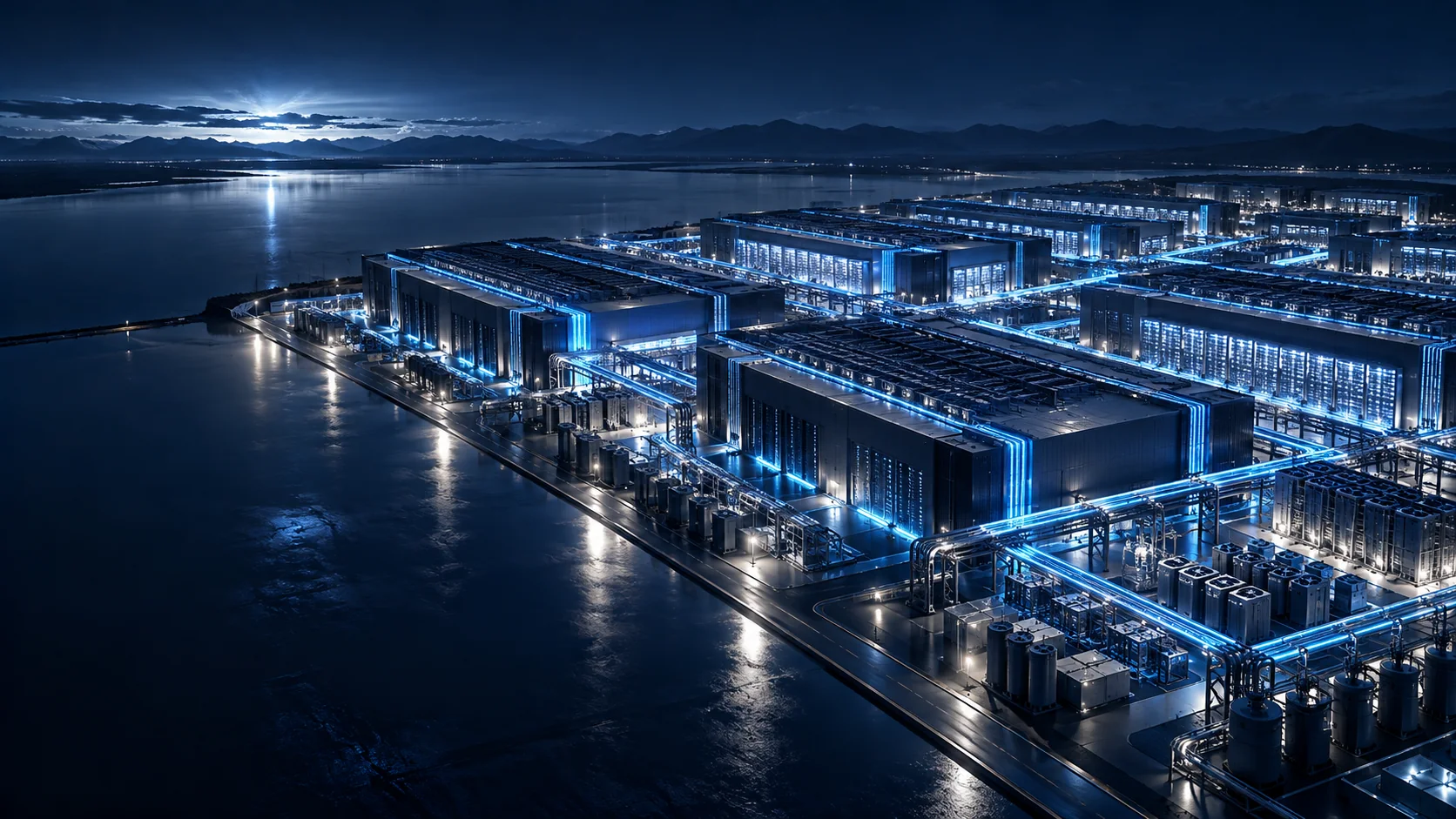
The contract converts technical capacity into an investable cash flow. Hardware, customer and power risk must be read together.
From data center to production facility
An AI factory combines accelerators, high-speed networking, storage, power and software into a production system for training and inference. The hardware is expensive and becomes less competitive as new generations arrive. That makes time-to-revenue critical.
A project that opens late loses both contracted revenue and part of its hardware advantage. Construction schedules, equipment delivery and cluster acceptance tests therefore belong in the financial model rather than a separate engineering appendix.
Capacity contracts allocate risk
A multi-year reservation can support financing, but the headline term says little without the termination rights, ramp schedule and service credits. Some agreements commit the customer to a fixed quantity. Others allow capacity to scale only after performance milestones are met.
The strongest contracts align the hardware deployment schedule with a credible payment ramp and define what happens when power, network or equipment delays prevent service. They also limit the operator's exposure to customer workloads that require unexpected customization.
Concentration can be rational—but visible
New clusters often begin with one anchor customer. Concentration may be acceptable when the counterparty is strong and the contract covers the investment period. It becomes dangerous when a short cancellable commitment finances a long-lived site and rapidly aging equipment.
Underwriting should test the residual value of the cluster if the anchor leaves. Can the hardware serve other workloads? Is the network architecture standard? Does the location attract a broader customer base?
A four-layer cash-flow model
Model revenue at the contracted ramp, subtract power and network pass-throughs, reserve for hardware refresh, and stress the period after the initial contract. This separates temporary scarcity pricing from a durable operating advantage.
- Contracted capacity and enforceable minimum payments.
- Commissioning dates and acceptance conditions.
- Operating margin after energy, bandwidth and support.
- Residual demand and equipment value after the base term.
- 01
Time-to-revenue is part of hardware economics.
- 02
Read termination, ramp and service obligations before headline contract value.
- 03
Stress the cluster after the anchor contract and before the next hardware cycle.