AI infrastructure financing works when each risk is assigned to the party able to control it and capital is released only as uncertainty falls.
One project contains several assets
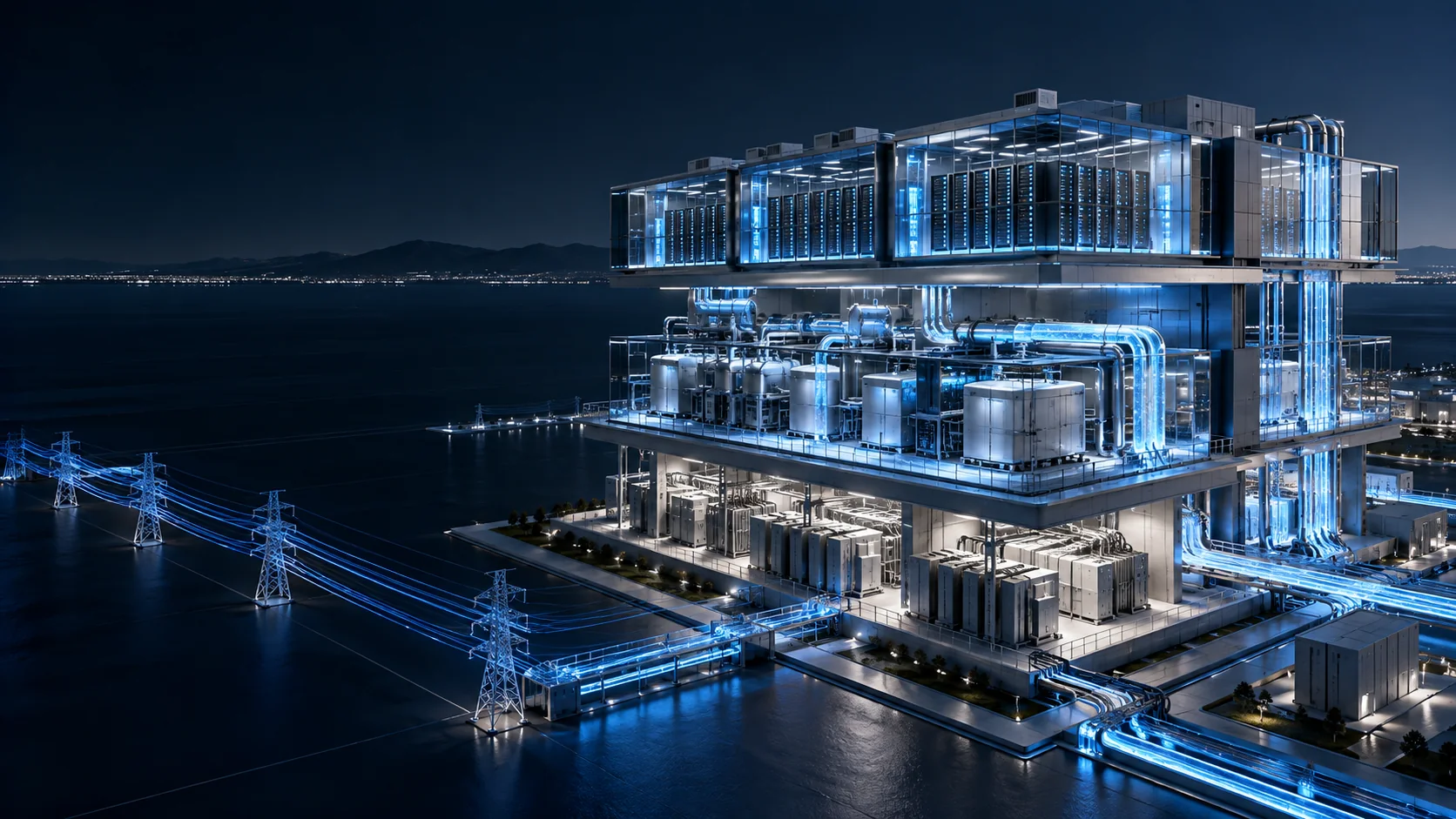
An AI data-center project may combine land, utility interconnection, a building, electrical and cooling systems, network infrastructure and compute equipment. These assets have different useful lives and residual values. Financing them with one undifferentiated assumption can hide risk.
The land and powered shell may remain useful across hardware generations. Accelerators can lose economic competitiveness much faster. The capital stack should reflect that difference through tenor, security and amortization.
Milestones should release capital
Early development capital absorbs entitlement and interconnection uncertainty. Construction capital enters after permits, design and key contracts are sufficiently advanced. Equipment financing should align with delivery and customer acceptance. Staged funding reduces idle cash and prevents later investors from paying for risks that should already be resolved.
A useful model connects every draw to evidence: land control, power milestones, fixed-price construction packages, equipment slots, customer commitments and successful commissioning.
Contracts are only as strong as their conditions
A take-or-pay label can still contain outs, performance conditions and delayed ramps. Review credit quality, parent guarantees, deposits, termination payments and service-level exposure. Customer concentration should be evaluated against the term of the debt and the ability to remarket the capacity.
Power agreements require the same attention. A low tariff has limited value if supply can be curtailed at the exact hours when the customer expects guaranteed service.
Stress the interfaces
The most damaging failures often occur between workstreams: equipment arrives before the building, the building opens before power, or capacity is energized before the customer ramp. The base case should expose monthly timing and carrying costs instead of smoothing them into an annual average.
- Delay energization while holding the equipment delivery date.
- Reduce the initial customer ramp and extend acceptance testing.
- Increase power and cooling operating costs.
- Lower residual equipment value at the end of the first contract.
- 01
Separate long-lived site infrastructure from fast-aging compute equipment.
- 02
Release capital against objective de-risking milestones.
- 03
Model timing mismatches explicitly; interfaces are where projects break.